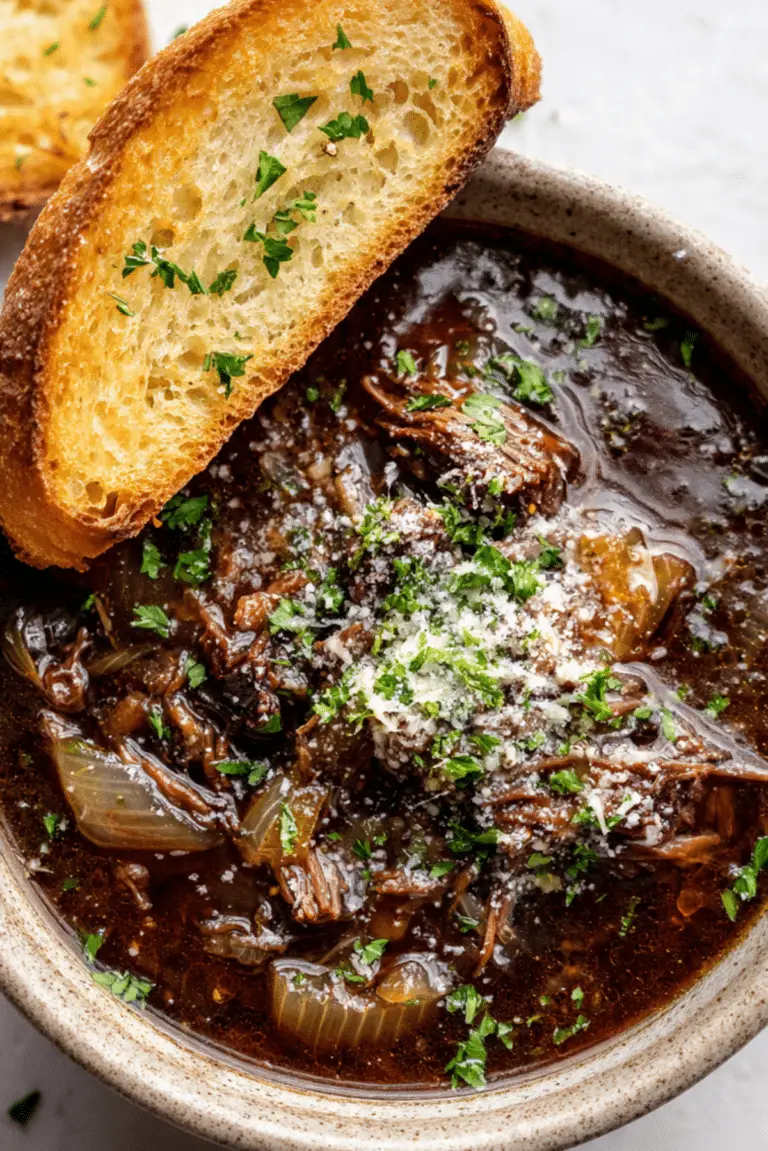
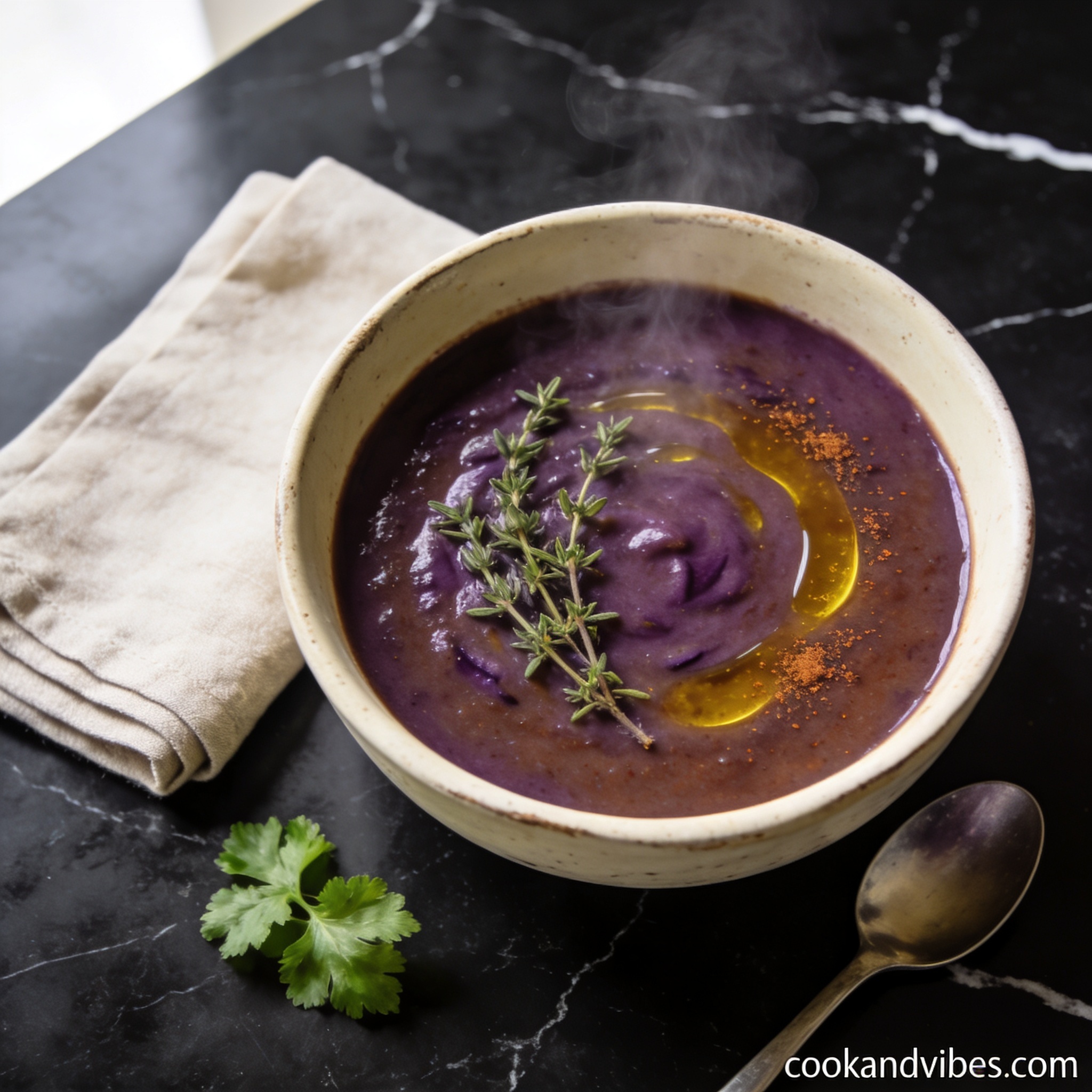
The Roasted Eggplant Soup You’ll Make Every Single Week
What Is gluten free roasted eggplant soup bowls with garlic?
Roasted eggplant soup is the one recipe I turn to when I need a bowl that feels like comfort food but still respects my body’s need for clean, simple ingredients. This isn’t your average pureed vegetable situation. We’re talking about deep, smoky flavors that come from charring eggplant until it practically collapses into silk, combined with sweet, caramelized garlic that melts into every bite.
I discovered this method by accident three winters ago when I had two eggplants sitting on my counter that were too far gone for ratatouille but too precious to waste. After roasting them with a whole head of garlic, the kitchen smelled like a Mediterranean dream. One quick blend later, and I had a dinner that even my soup-skeptical partner requested again the next day. Now it’s my go-to when I want something that feels restaurant-worthy but comes together with minimal effort. If you enjoy vegetable-forward dishes like my Cabbage Boil, you’ll love how this one lets the eggplant shine without hiding behind heavy cream or flour thickeners. This roasted eggplant soup method makes all the difference.
Why Does This roasted eggplant soup Recipe Actually Work?
This roasted eggplant soup works because it respects the vegetable’s natural texture while eliminating everything that makes people nervous about cooking eggplant at home. Instead of fighting with spongy, bitter cubes in a pot, we’re using high heat to transform the eggplant into something velvety and sweet.
- High-heat roasting eliminates bitterness: When you blast eggplant at intense temperatures, the natural sugars caramelize while the compounds that create that unpleasant, tannic aftertaste break down completely.
- Whole roasted garlic adds sweetness: By roasting an entire head of garlic alongside the eggplant, you get a mild, almost nutty garlic flavor that doesn’t overpower the delicate eggplant base.
- Natural thickening power: Eggplant contains very little starch compared to potatoes, but when roasted and blended, the cellular structure breaks down to create a naturally thick, creamy texture without dairy or gluten-based roux.
- Real nutritional benefits: One cup of roasted eggplant soup contains approximately 120-150 calories, 3-4g of fiber, and is naturally rich in antioxidants like nasunin, which gives eggplant its purple color and may help protect brain cells from damage.
What You’ll Need
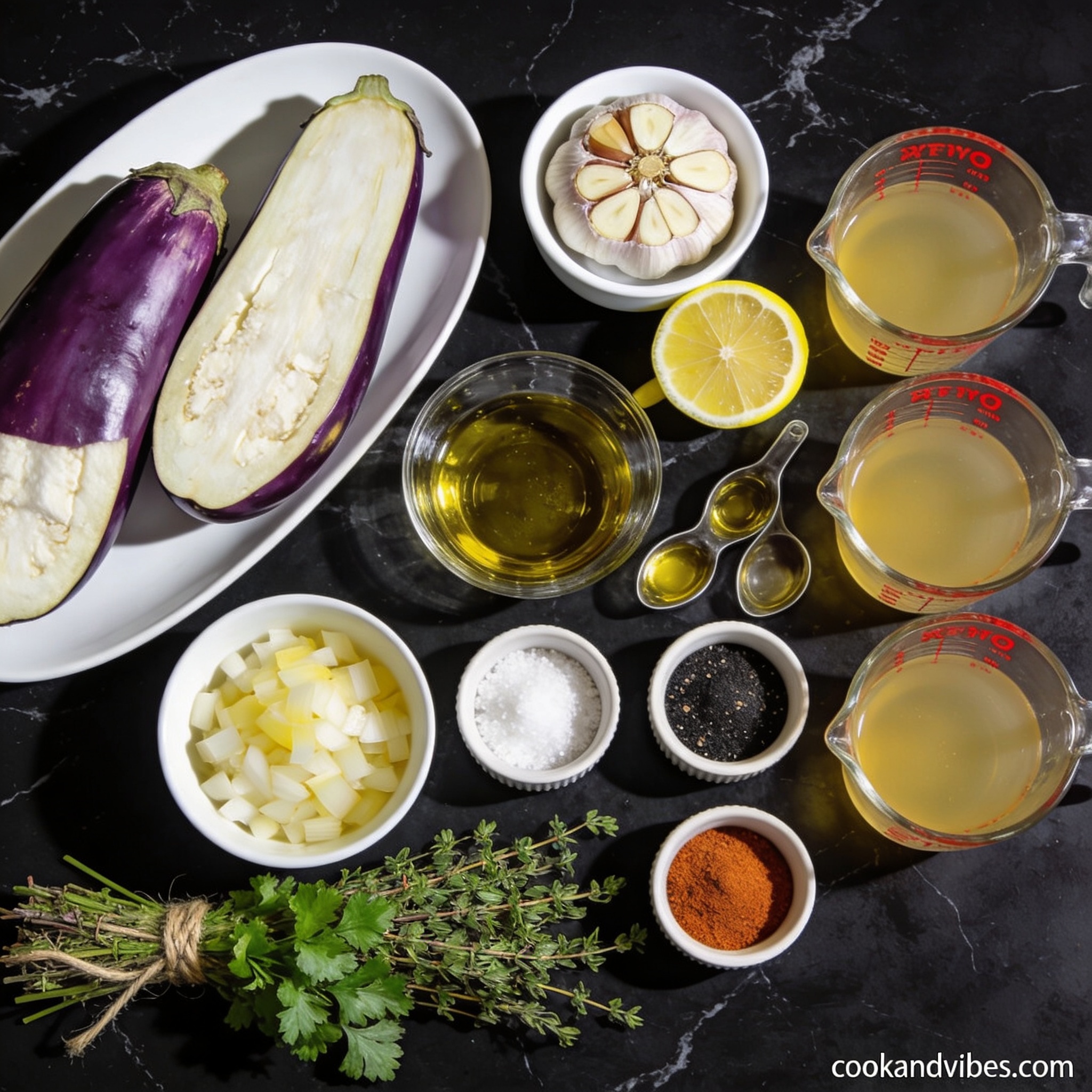
- 2 large eggplants (about 2 pounds total), halved lengthwise
- 1 whole head of garlic, top sliced off to expose cloves
- 3 tablespoons olive oil, divided
- 1 large onion, diced
- 1 teaspoon sea salt, plus more for roasting
- ½ teaspoon black pepper
- 4 cups vegetable broth (check for gluten-free certification)
- 1 tablespoon fresh lemon juice
- ½ teaspoon smoked paprika
- Fresh herbs (thyme or parsley) for garnish
The eggplants are the star of this roasted eggplant soup, so choose ones that feel heavy for their size with glossy, unblemished skin. I always grab an extra head of garlic because once you start roasting it this way, you’ll want to spread the cloves on everything from toast to that Creamy Garlic Orzo with Salmon I make on weekends. The smoked paprika is optional but adds a subtle depth that makes people ask what your secret ingredient is.
How to Make gluten free roasted eggplant soup bowls with garlic
Step 1: Roast the Vegetables
Heat your oven to 425°F (220°C). Score the flesh of each eggplant half in a crosshatch pattern, being careful not to cut through the skin. Place the eggplant cut-side up on a large baking sheet, brush with 2 tablespoons of olive oil, and sprinkle generously with salt. Wrap the garlic head in foil after drizzling it with the remaining oil. Roast both for 25-30 minutes until the flesh when making roasted eggplant soup is completely soft and slightly caramelized, which is essential for developing a deep, smoky flavor and eliminating the vegetable’s natural bitterness before blending into soup. The garlic should feel soft when squeezed.
Step 2: Sauté the Aromatics
While the vegetables cool slightly, heat a large pot over medium heat. Add the diced onion with a pinch of salt and cook until translucent, about 5-7 minutes. Scoop the roasted garlic cloves directly from their papery skins into the pot—their golden color will start to melt into the onions immediately. This step builds the second layer of flavor that separates this roasted eggplant soup from the thin, watery versions you find in cartons.
Step 3: Simmer and Blend
Scoop the soft eggplant flesh away from the skins and add it to the pot with the onions and garlic. Pour in the vegetable broth and bring the mixture to a gentle boil. Reduce heat and simmer for 10 minutes to let the flavors marry. Using an immersion blender (or working in batches with a countertop blender), puree until completely smooth. Your roasted eggplant soup should coat the back of a spoon without feeling gluey or starchy. Stir in the lemon juice and smoked paprika, then taste for seasoning.
Step 4: Build Your Bowls
Ladle the hot roasted eggplant soup into deep bowls. This is where you get creative with textures and toppings. I like to drizzle a little extra olive oil over the surface and add a sprinkle of fresh herbs. The beauty of serving this as soup bowls rather than just plain bowls of soup is the contrast—think crunchy seeds against the smooth puree, or a dollop of dairy-free yogurt cutting through the richness.
What Makes This roasted eggplant soup Different?
Most eggplant soups fail because they skip the roasting step or try to mask the vegetable’s flavor with too many competing ingredients. A bowl of roasted eggplant soup made properly celebrates what the vegetable actually tastes like when treated with patience.
- No flour thickeners: Unlike traditional cream soups that rely on wheat-based roux, this roasted eggplant soup gets its body from the eggplant’s natural pectin and fiber. This means it’s naturally gluten free without requiring any special substitutions or textural compromises.
- Bitter-free guarantee: By salting the eggplant before roasting and using high heat, we draw out moisture along with the compounds that create that metallic, bitter taste many people associate with poorly cooked eggplant.
- Garlic as a vegetable, not just a seasoning: Using a whole head rather than a few cloves transforms garlic from a background note into a sweet, nutty component that balances the earthiness of the eggplant.
- Build-a-bowl versatility: Unlike thin, brothy soups, this thick, velvety base holds up to substantial toppings without sinking them, making each bowl customizable and visually appealing.
How to Store and Reheat
This roasted eggplant soup stores beautifully, which makes it ideal for meal prep or keeping on hand for quick lunches. I love that this roasted eggplant soup keeps well in the refrigerator for up to 5 days when transferred to an airtight glass container. The flavors actually improve after a day as the garlic and smoked paprika meld together.
For reheating, place individual portions in a saucepan over medium-low heat. Add a splash of vegetable broth or water if the soup has thickened too much in the fridge. Stir frequently to prevent sticking. You can also microwave it in 30-second intervals, stirring between each, until heated through. Avoid boiling vigorously once reheated, as this can make the texture slightly gummy. This roasted eggplant soup method makes all the difference.
Can You Make gluten free roasted eggplant soup bowls with garlic Ahead of Time?
Absolutely, and I actually recommend it. The depth of flavor in this roasted eggplant soup intensifies after sitting overnight. If you’re planning to serve this for dinner guests, make the base up to three days ahead and store it in the refrigerator. The roasted garlic needs time to infuse its sweetness throughout the broth, and you’ll find the soup tastes more complex on day two or three.
For meal prep, portion the soup into individual containers without the toppings. Keep your garnishes—herbs, seeds, yogurt, or whatever you’re using—in separate small containers or bags. When you’re ready to eat, reheat the base and add the fresh elements right before serving. This maintains the textural contrast that makes soup bowls feel like a complete meal rather than just a side dish. This roasted eggplant soup method makes all the difference.
Variations Worth Trying
- Spiced Moroccan Style: Add 1 teaspoon of ground cumin and ½ teaspoon of cinnamon to the pot for the roasted eggplant soup before blending. The warm spices complement the base without overwhelming it, creating a North African-inspired bowl that’s great with a sprinkle of toasted almonds.
- Protein-Rich: Stir in 1 cup of cooked white beans or chickpeas after blending for extra staying power. The beans blend partially into the soup, adding creaminess while providing about 6 additional grams of protein per serving.
- Extra Smoky: If you have a grill or gas stove, char the eggplant halves over an open flame for 5 minutes before oven roasting. This adds a true smokehouse quality that makes the roasted eggplant soup taste like it came from a barbecue joint.
- Creamy Without Dairy: Blend in ½ cup of soaked raw cashews with the broth for a velvety texture that mimics heavy cream. This vegan adaptation adds healthy fats while keeping the soup completely plant-based.
What to Serve With gluten free roasted eggplant soup bowls with garlic?
- Crusty Gluten-Free Bread: A slice of warm, toasted bread rubbed with raw garlic is the classic accompaniment to serve with roasted eggplant soup. The crunch provides necessary contrast to the silky soup, and the garlic ties the flavors together.
- Simple Green Salad: A peppery arugula salad dressed with lemon and olive oil cuts through the richness. The acidity brightens the palate between spoonfuls.
- Grain Bowl Base: Pour the soup over cooked quinoa or brown rice for a hybrid soup-grain bowl that’s substantial enough for hungry eaters. The grains soak up the flavorful broth.
- Grilled Protein: If you’re not keeping it vegan, a skewer of grilled chicken or shrimp on the side turns this into a complete dinner. The smoky char on the protein echoes the roasted notes in the soup.
Frequently Asked Questions About gluten free roasted eggplant soup bowls with garlic
Is roasted eggplant soup naturally gluten free?
Yes, this roasted eggplant soup is naturally gluten free as long as you use certified gluten-free vegetable broth. Eggplant, garlic, onions, and olive oil contain no gluten, and this recipe skips flour-based thickeners entirely. Always check labels on packaged broth and any toppings like croutons or spice blends to ensure they haven’t been processed with wheat-containing ingredients.
How do I prevent eggplant soup from being bitter?
The key to preventing bitterness in roasted eggplant soup is high-heat roasting with proper salting. Salt the cut surfaces of the eggplant and let them sit for 10 minutes before roasting if your eggplants seem particularly large or old. Roasting at 425°F until the flesh is deeply caramelized converts harsh tannins into sweet, complex flavors. Never boil raw eggplant cubes in broth without roasting first—that’s a guaranteed path to bitter roasted eggplant soup.
Can I make roasted eggplant soup without dairy?
This recipe is already dairy free and vegan as written. The creaminess comes from the eggplant’s natural texture when blended, not from milk, cream, or cheese. If you want an even richer mouthfeel without dairy, blend in soaked cashews or a splash of full-fat coconut milk. The roasted garlic provides plenty of depth that you won’t miss the butter or cream found in traditional bisques. This roasted eggplant soup method makes all the difference.
How long does roasted eggplant soup last in the refrigerator?
Stored in an airtight container, roasted eggplant soup lasts 4-5 days in the refrigerator. The high acid content from the lemon juice helps preserve it, while the lack of dairy means you don’t have to worry about curdling or separation. If you’ve added any toppings like yogurt or seeds, store those separately and add them fresh when reheating.
What toppings work best for eggplant soup bowls?
The best toppings for roasted eggplant soup bowls add texture and complementary flavors. Try toasted pumpkin seeds or pine nuts for crunch, fresh herbs like parsley or cilantro for brightness, a drizzle of pomegranate molasses for sweet-tart contrast, or crispy roasted chickpeas for protein. Dairy-free yogurt or labneh adds a cooling element if you like a creamy swirl on top.
This roasted eggplant soup has become my signature dish when friends visit unexpectedly or when I need to reset after a weekend of heavier meals. The way the garlic mellows into sweetness and the eggplant transforms from something ordinary into silk never fails to surprise people who claim they don’t like vegetables. Try it this week and let me know what toppings you choose for your bowls.
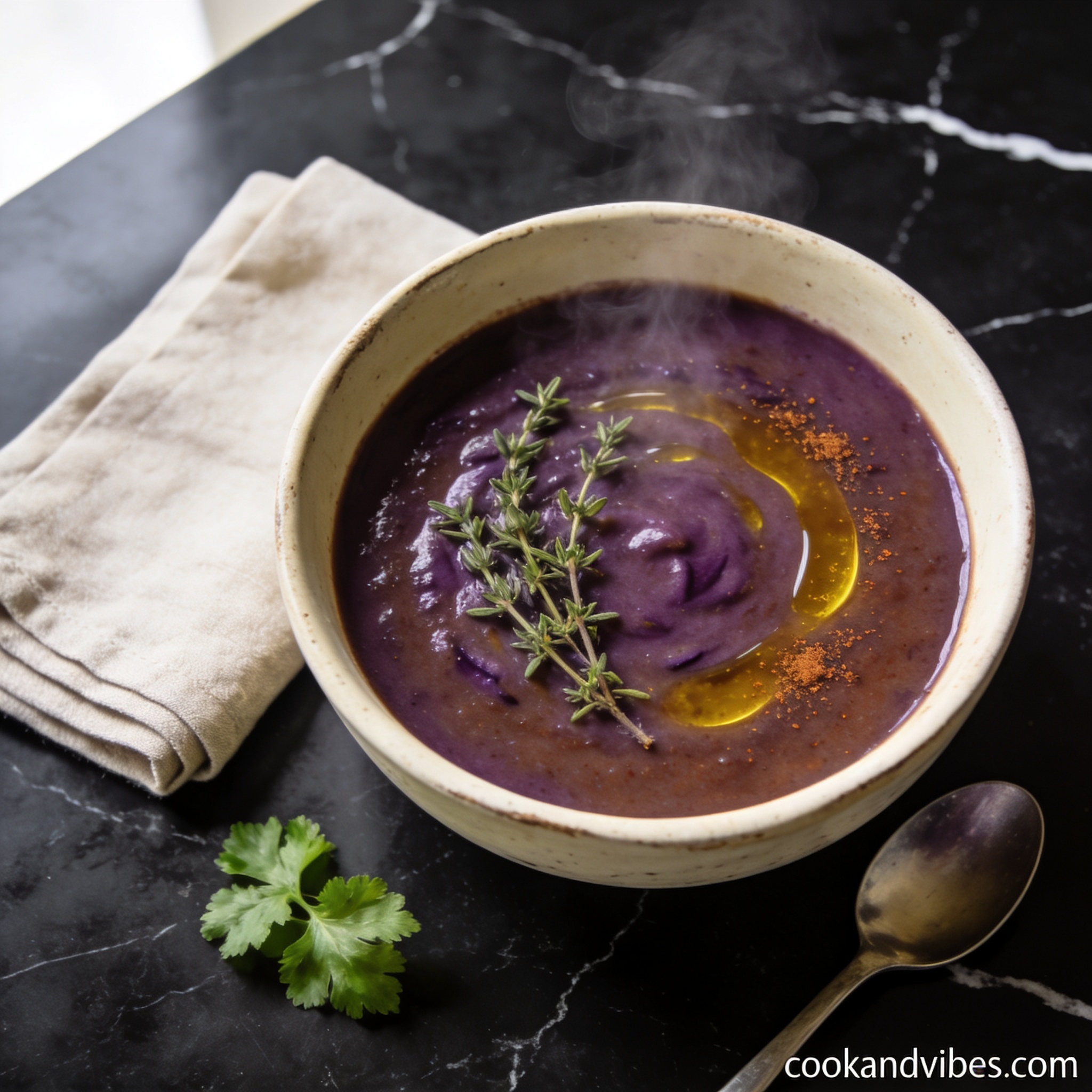
Gluten Free Roasted Eggplant Soup Bowls with Garlic
Creamy, smoky roasted eggplant soup with caramelized garlic, naturally gluten free and dairy free. Served in customizable bowls with your favorite toppings.
Ingredients
- 2 large eggplants (about 2 pounds total), halved lengthwise
- 1 whole head of garlic, top sliced off to expose cloves
- 3 tablespoons olive oil, divided
- 1 large onion, diced
- 1 teaspoon sea salt, plus more for roasting
- ½ teaspoon black pepper
- 4 cups vegetable broth (gluten-free certified)
- 1 tablespoon fresh lemon juice
- ½ teaspoon smoked paprika
- Fresh herbs (thyme or parsley) for garnish
Instructions
- 1. Preheat oven to 425°F (220°C). Score eggplant flesh in crosshatch pattern without cutting through skin. Place cut-side up on baking sheet, brush with 2 tablespoons oil, and sprinkle with salt. Wrap garlic head in foil after drizzling with remaining oil. Roast both for 25-30 minutes until eggplant is soft and caramelized.
- 2. While vegetables cool, heat a large pot over medium heat. Cook diced onion with a pinch of salt until translucent, about 5-7 minutes. Squeeze roasted garlic cloves from skins into the pot.
- 3. Scoop eggplant flesh from skins and add to pot with onions and garlic. Pour in vegetable broth and bring to gentle boil. Reduce heat and simmer 10 minutes.
- 4. Using immersion blender, puree until completely smooth. Stir in lemon juice and smoked paprika. Season to taste with additional salt and pepper.
- 5. Ladle soup into bowls and top with herbs, olive oil drizzle, or desired gluten-free toppings.
Notes
- For extra smokiness, char eggplant over open flame for 5 minutes before oven roasting
- Soup thickens as it cools—thin with additional broth when reheating if needed
- Store toppings separately from soup base for best meal prep results