The grilled chicken vegetable skewers You’ll Make Every Single Week
What Is grilled chicken and vegetable skewers with lemon zest?
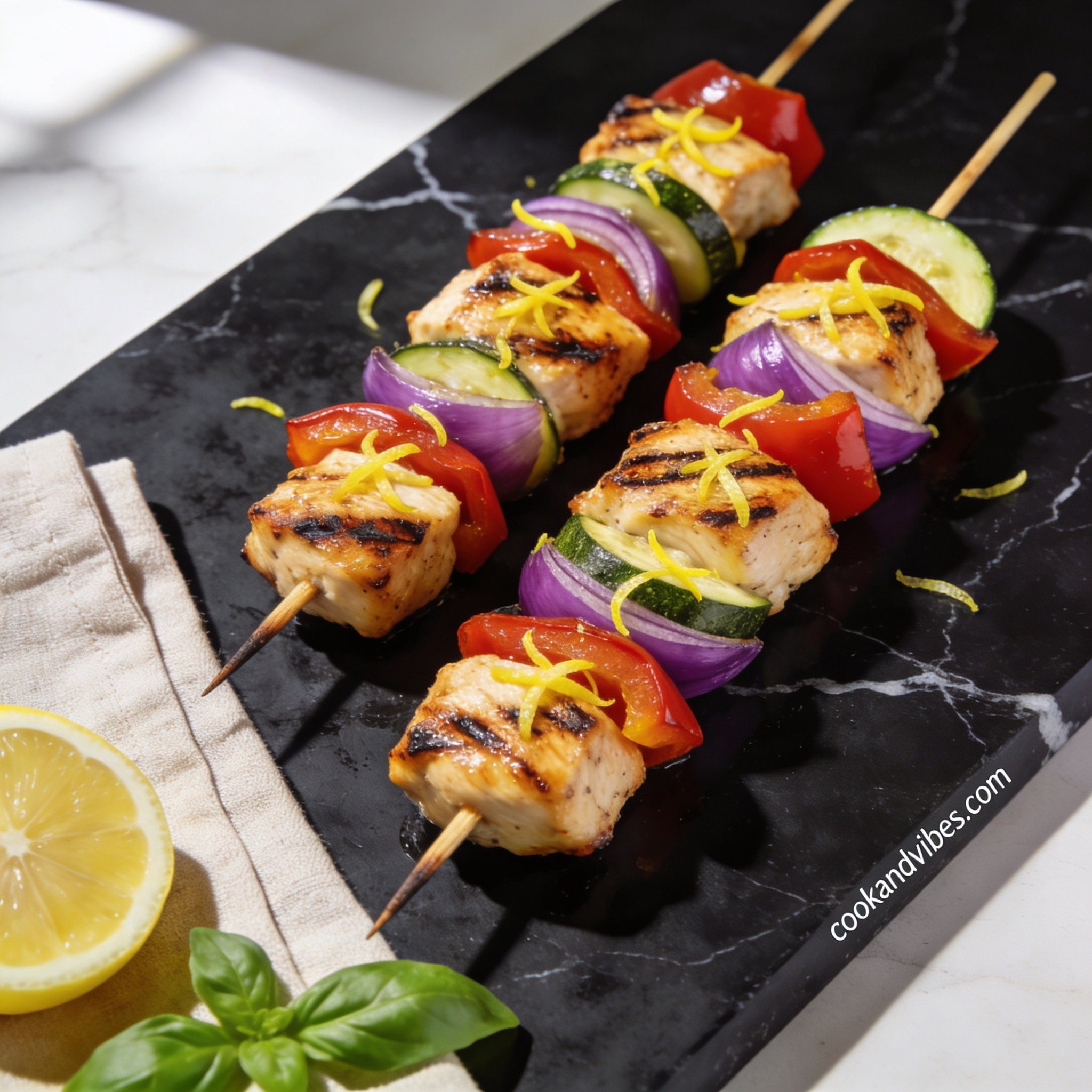
grilled chicken vegetable skewers are the one dinner I turn to when the temperature rises and I refuse to heat up my kitchen with the oven. This dish combines marinated chunks of lean chicken breast with colorful summer vegetables threaded onto sticks, then cooked over an open flame until the edges char and the lemon perfume permeates everything. The magic comes from using both the zest and juice of fresh lemons, creating a bright, clean flavor profile that feels restaurant-worthy without requiring professional skills.
Last summer, I realized I was spending too much money on takeout Mediterranean bowls that promised healthy eating but arrived soggy and cold. I wanted that same fresh, charred flavor without the thirty-dollar price tag or the plastic containers filling my recycling bin. After testing different marinades for weeks, I landed on this lemon-forward version that makes the chicken taste expensive while using basic grocery store ingredients. My neighbor actually asked if I had ordered catering when she smelled these cooking over the fence. When I am not grilling, I rotate these with my Cheesy Chicken Spinach Stuffed Crepes Bake for easy weeknight protein that keeps everyone satisfied. This grilled chicken vegetable skewers method makes all the difference.
Why Does This grilled chicken vegetable skewers Recipe Actually Work?
Creating restaurant-quality grilled chicken vegetable skewers at home requires understanding a few key principles that prevent the common pitfalls of dry meat and mushy vegetables:
- The Power of Lemon Zest: Lemon zest contains essential oils that provide 5-10 times more flavor than lemon juice alone, and adding it to marinade helps tenderize chicken meat through mild acidity. This means you get intense citrus notes that survive the high heat of grilling.
- Protein Density: A 4-ounce serving of grilled chicken breast provides approximately 35g of protein and only 165 calories, making it one of the most protein-dense foods available. This makes grilled chicken vegetable skewers ideal for anyone tracking macros or seeking satisfying meals.
- Uniform Cutting: By dicing everything into identical 1.5-inch pieces, we ensure the chicken and vegetables finish cooking simultaneously, preventing the frustration of burnt peppers next to raw chicken.
- High Heat Execution: Cooking these skewers over medium-high heat sears the exterior quickly, locking in juices while creating those coveted caramelized grill marks.
For best results when grilling chicken skewers, Serious Eats’ lemon-garlic chicken and tomato kebab recipe demonstrates how just a few minutes in a citrus marinade can create incredibly flavorful results without overnight preparation. This grilled chicken vegetable skewers method makes all the difference.
What You’ll Need
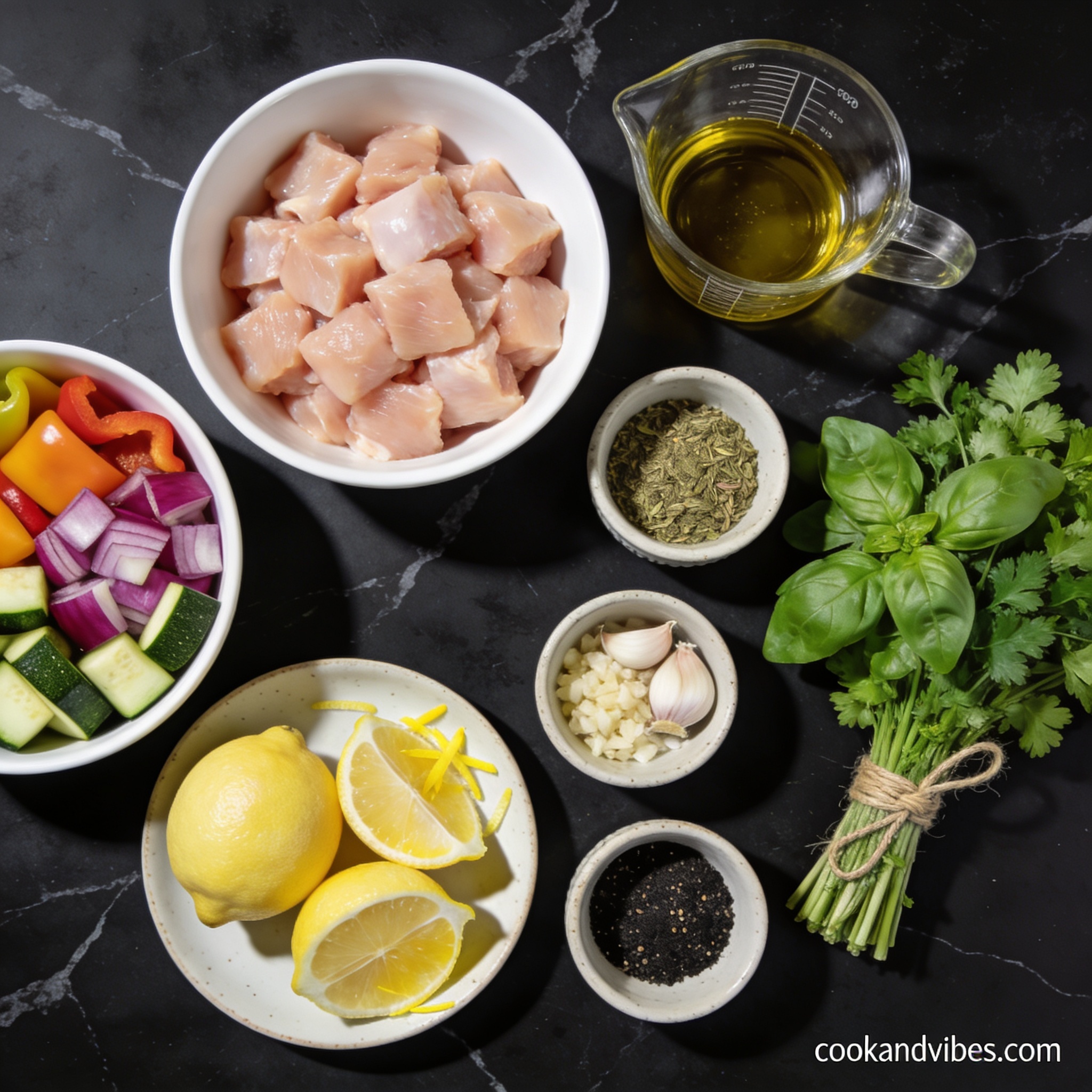
- 1.5 pounds boneless skinless chicken breast, cut into 1.5-inch cubes
- 2 medium zucchini, sliced into 1-inch rounds
- 2 red bell peppers, cut into 1.5-inch squares
- 2 yellow bell peppers, cut into 1.5-inch squares
- 1 red onion, cut into 1.5-inch chunks
- 3 tablespoons olive oil
- 2 lemons (zest of both, juice of one and a half)
- 4 cloves garlic, minced
- 2 teaspoons dried oregano
- 1 teaspoon smoked paprika
- 1 teaspoon kosher salt
- 1/2 teaspoon black pepper
- Metal skewers or wooden skewers soaked in water for 30 minutes
The lemon zest is non-negotiable here. While the juice provides acid for tenderizing, the zest contains essential oils that survive the high heat of the grill and perfume the grilled chicken vegetable skewers in a way bottled juice cannot achieve. I also insist on smoked paprika rather than sweet, as it mimics the flavor of cooking over charcoal even if you are using a gas grill.
How to Make grilled chicken and vegetable skewers with lemon zest
Step 1: Marinate the Chicken for Maximum Flavor
Whisk together the olive oil, lemon zest, lemon juice, minced garlic, oregano, smoked paprika, salt, and pepper in a large glass bowl. Add the chicken cubes and toss until every piece is coated in the fragrant mixture. Cover the bowl with plastic wrap and refrigerate for at least twenty minutes, though you can push it to two hours if you need to prep ahead. The acid in the lemon will begin to denature the proteins slightly, creating a more tender texture once cooked. Do not marinate longer than four hours or the acid will start to cook the meat, resulting in a mushy texture that no amount of grilling can fix.
Step 2: Prep Your Vegetables While the Chicken Marinates
While the chicken absorbs those bright flavors, prep your vegetables. I like to toss the zucchini, bell peppers, and red onion with a tablespoon of the marinade reserved before adding the raw chicken. This seasons the vegetables deeply and prevents them from tasting bland against the flavorful chicken. Make sure your vegetable pieces are roughly the same size as your chicken cubes so everything cooks evenly. If your zucchini is particularly thick, cut it into half-moons rather than full rounds to ensure it cooks through without burning the outside.
Step 3: Thread Everything Onto the Skewers
Thread the marinated chicken and vegetables onto your skewers, alternating between protein and produce. I typically follow a pattern of chicken, zucchini, bell pepper, onion, then repeat. Leave a small gap between each piece to allow hot air to circulate, which ensures the edges get crispy and charred rather than steamed. If you are using wooden skewers, ensure they have soaked in water for thirty minutes to prevent burning. For grilled chicken vegetable skewers, I find that metal skewers work best because they conduct heat and help cook the chicken from the inside simultaneously, reducing overall cooking time.
Step 4: Grill Over Medium-High Heat
Preheat your grill to medium-high heat, around four hundred degrees Fahrenheit. Oil the grates well using a paper towel dipped in vegetable oil held by tongs. Place the assembled grilled chicken vegetable skewers directly on the grates and cook for four to five minutes per side, rotating occasionally to get even char marks on all sides. The chicken is done when it reaches one hundred sixty-five degrees Fahrenheit internally and the juices run clear. The vegetables should have softened slightly with blistered, caramelized edges. Resist the urge to move them constantly; letting them sit undisturbed for three to four minutes creates the best sear.
Step 5: Rest Before Serving
Transfer the finished grilled chicken vegetable skewers to a clean platter and tent loosely with foil. Let them rest for three to five minutes before serving, which allows the juices to redistribute within the chicken rather than spilling out onto the cutting board. Squeeze the remaining half lemon over the top right before serving for a final bright note that wakes up the palate. Serve immediately while the vegetables still have some texture and the chicken is warm through the center.
What Makes This grilled chicken vegetable skewers Different?
Many home cooks struggle with dry chicken or mushy vegetables on skewers. Here is where most people go wrong with grilled chicken vegetable skewers and how this method fixes those common errors:
- Uneven Cutting: When chicken pieces vary in size, some overcook while others remain raw inside. We solve this by dicing everything into uniform 1.5-inch cubes that cook at the same rate.
- Skipping the Rest: Cutting immediately off the grill causes moisture loss. The brief resting period when making grilled chicken vegetable skewers keeps the chicken succulent and prevents dry, stringy meat.
- Overcrowding the Skewers: Cramming pieces together creates steam, which prevents that desirable char. The spacing technique used here ensures direct heat contact on all sides of the meat and vegetables.
- Cold Grill Start: Putting grilled chicken vegetable skewers on a lukewarm grill leads to sticking and uneven cooking. Preheating properly creates those beautiful grill marks and easy release so you don’t leave half your dinner stuck to the grates.
If you’re looking for a classic lemon-based marinade, Simply Recipes’ Greek chicken skewers with yogurt sauce showcases how combining lemon zest, juice, oregano, and garlic creates the traditional souvlaki flavor profile that pairs beautifully with grilled vegetables. This grilled chicken vegetable skewers method makes all the difference.
How to Store and Reheat
If you have leftovers of these grilled chicken vegetable skewers, remove the meat and vegetables from the skewers and store them in an airtight glass container in the refrigerator for up to three days. Keep them separate from any sauces or dressings to prevent sogginess. To reheat, place the chicken and vegetables on a baking sheet and warm in a three hundred fifty degree oven for eight to ten minutes, or until the chicken reaches one hundred sixty-five degrees internally. Avoid microwaving if possible, as it toughens the chicken breast and makes the vegetables rubbery. You can also chop leftover grilled chicken vegetable skewers and toss them into a salad cold for an easy lunch the next day.
Can You Make grilled chicken and vegetable skewers with lemon zest Ahead of Time?
Meal prep enthusiasts will appreciate that these grilled chicken vegetable skewers work beautifully as a make-ahead option. You can prepare the marinade and chop the chicken up to twenty-four hours in advance, storing them together in the refrigerator. However, I recommend waiting to cut the vegetables until the day of cooking to maintain their crisp texture and prevent them from oxidizing. You can also assemble the skewers the night before, cover them tightly with plastic wrap, and keep them refrigerated until ready to grill. Just bring them to room temperature for fifteen minutes before cooking to ensure even heat penetration and to prevent the chicken from seizing up on the hot grates.
Variations Worth Trying
Once you master the basic technique for grilled chicken vegetable skewers, you can adapt the flavor profile to suit different cuisines:
- Spicy Har: Swap the smoked paprika for one tablespoon of harissa paste and add a pinch of cayenne for North African heat that complements the lemon beautifully while keeping the vegetable lineup the same.
- Mediterranean Herb: Replace the oregano with fresh rosemary and thyme, and add kalamata olives to the skewers between the vegetables for a briny contrast that pairs well with the lemon marinade.
- Asian-Inspired: Use sesame oil instead of olive oil, add one tablespoon of soy sauce and one teaspoon of grated ginger to the marinade, and sprinkle with sesame seeds after grilling these grilled chicken vegetable skewers.
- Protein Swap: Substitute chicken thighs for the breast if you prefer richer meat that is more forgiving on the grill, or use firm tofu cubes pressed for thirty minutes for a vegetarian option that still soaks up the lemon marinade well.
What to Serve With grilled chicken and vegetable skewers with lemon zest?
While these grilled chicken vegetable skewers are substantial on their own with 32 grams of protein per serving, they pair beautifully with several sides that round out the meal:
- Warm pita bread with tzatziki sauce for scooping up any fallen pieces and adding a cooling dairy element
- A simple orzo pasta salad with cucumbers, tomatoes, and feta cheese dressed with the same lemon juice and olive oil
- Grilled corn on the cob brushed with the same lemon-garlic mixture and sprinkled with cotija cheese
- A chilled cucumber and dill yogurt salad to complement the warm char of the skewers and add additional vegetables to the plate
Frequently Asked Questions About grilled chicken and vegetable skewers with lemon zest
How long should you marinate chicken for skewers before grilling?
For optimal flavor without compromising texture, marinate the chicken for twenty minutes to two hours when preparing grilled chicken vegetable skewers. Going beyond four hours in an acidic lemon marinade can actually begin to toughen the meat rather than tenderize it, as the acid continues to break down proteins excessively.
What vegetables pair best with chicken on skewers?
Zucchini, bell peppers, red onion, and cherry tomatoes are classic choices for grilled chicken vegetable skewers because they cook at roughly the same rate as chicken cubes. Avoid starchy vegetables like potatoes or delicate greens that fall apart over high heat, as well as dense vegetables like carrots that require par-cooking to soften.
How do you keep chicken skewers from drying out on the grill?
The key is high heat for a shorter time rather than low and slow. Also, do not skip the resting period after grilling grilled chicken vegetable skewers, and ensure your grill grates are clean and oiled before adding the food to prevent sticking that can tear the meat. Using chicken breast with a bit of marinade still clinging to it also helps insulate the meat.
Should you soak wooden skewers before using them?
Yes, soak wooden skewers in water for at least thirty minutes before threading to prevent them from catching fire on the grill. Metal skewers work well too for grilled chicken vegetable skewers, but remember they conduct heat and will cook the inside of your meat pieces slightly faster, so reduce cooking time by a minute or two.
What temperature should grilled chicken skewers be cooked to?
Chicken is safe to eat when it reaches an internal temperature of one hundred sixty-five degrees Fahrenheit. Use an instant-read thermometer inserted into the thickest cube of chicken to verify doneness without guessing, ensuring your grilled chicken vegetable skewers are both safe and juicy.
These grilled chicken vegetable skewers have become my signature summer dish, requested by friends and family whenever we fire up the backyard grill. The bright lemon flavor makes them feel fresh and light while delivering serious protein that keeps you full for hours. Try them this weekend and save the recipe for your next outdoor gathering.

Grilled Chicken and Vegetable Skewers with Lemon Zest
Easy marinated chicken breast with zucchini and bell peppers grilled on skewers with fresh lemon zest and herbs
Ingredients
- 1.5 pounds boneless skinless chicken breast, cut into 1.5-inch cubes
- 2 medium zucchini, sliced into 1-inch rounds
- 2 red bell peppers, cut into 1.5-inch squares
- 2 yellow bell peppers, cut into 1.5-inch squares
- 1 red onion, cut into 1.5-inch chunks
- 3 tablespoons olive oil
- 2 lemons (zest of both, juice of one and a half)
- 4 cloves garlic, minced
- 2 teaspoons dried oregano
- 1 teaspoon smoked paprika
- 1 teaspoon kosher salt
- 1/2 teaspoon black pepper
- Metal skewers or wooden skewers soaked in water for 30 minutes
Instructions
- 1. Whisk together olive oil, lemon zest, lemon juice, minced garlic, oregano, smoked paprika, salt, and pepper in a large glass bowl.
- 2. Add chicken cubes to marinade and toss to coat. Cover and refrigerate for 20 minutes to 2 hours.
- 3. While chicken marinates, toss zucchini, bell peppers, and red onion with 1 tablespoon reserved marinade.
- 4. Thread chicken and vegetables onto skewers, alternating items and leaving small gaps between pieces.
- 5. Preheat grill to medium-high heat (400°F) and oil the grates well.
- 6. Place skewers on grill and cook 4-5 minutes per side, rotating occasionally, until chicken reaches 165°F internally and vegetables are charred.
- 7. Remove from grill and let rest 3-5 minutes tented with foil before serving.
- 8. Squeeze remaining lemon half over skewers right before serving.
Notes
- Do not marinate chicken longer than 4 hours or the meat will become mushy.
- Soak wooden skewers for 30 minutes before using to prevent burning.
- Bring refrigerated skewers to room temperature 15 minutes before grilling for even cooking.