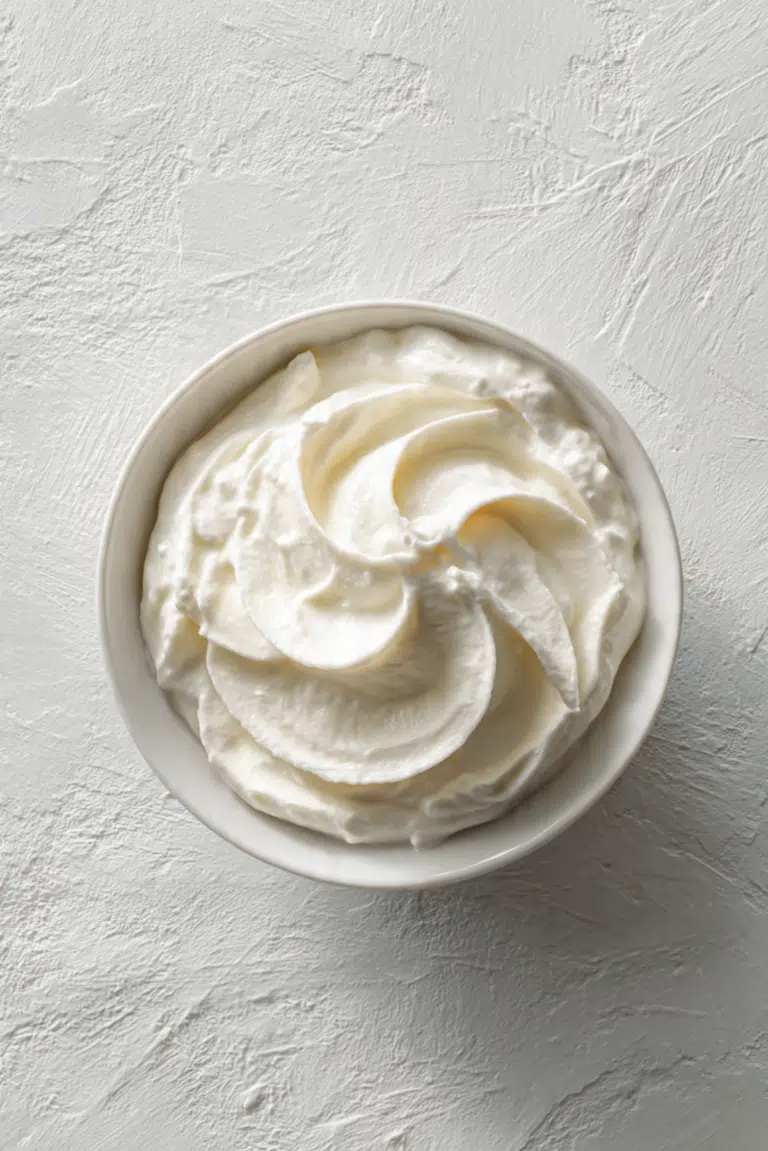
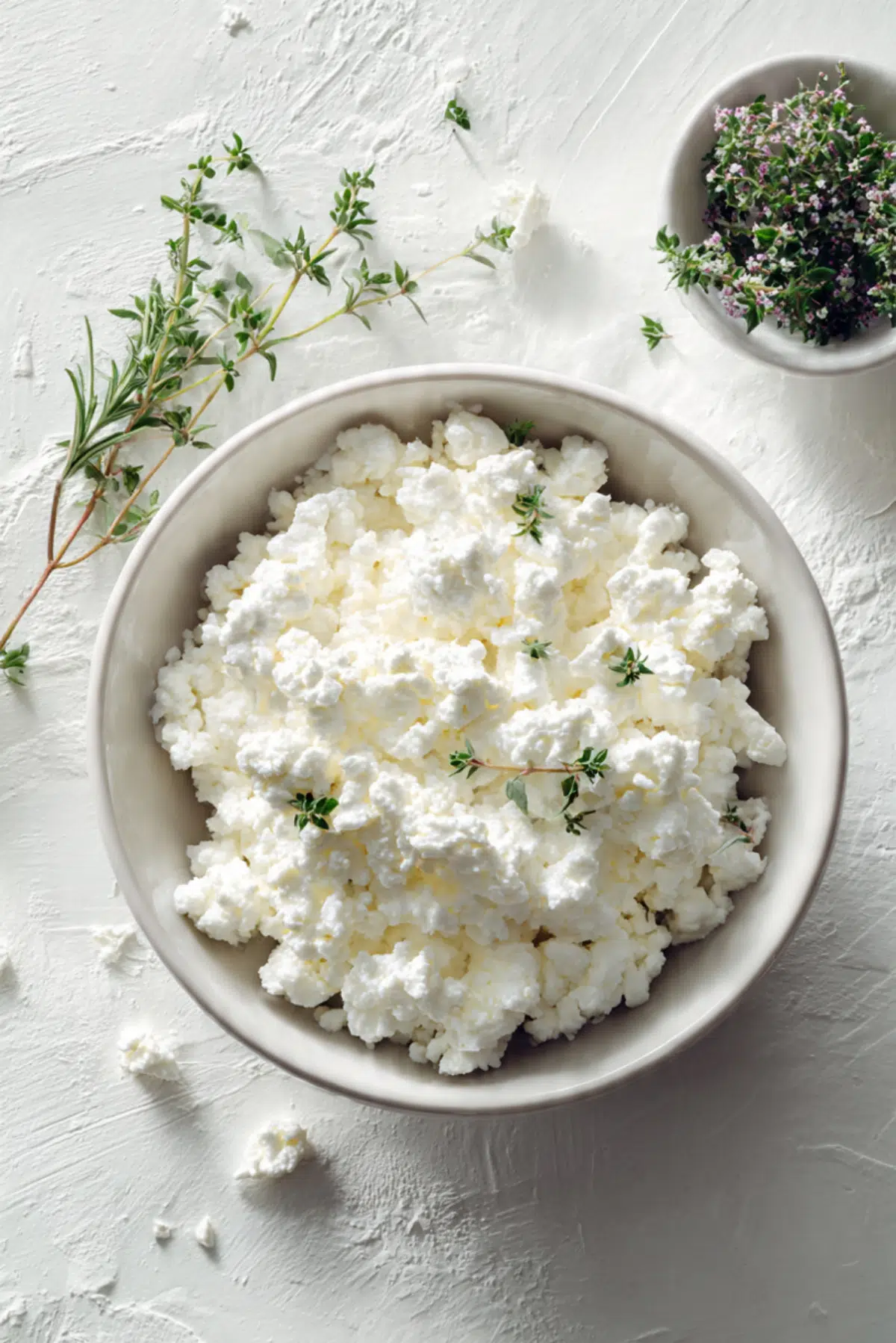
Cultured Probiotic Cottage Cheese
There is something quietly lovely about making a bowl of creamy cottage cheese at home. It starts with milk, just plain milk, and with a little patience it turns into soft, tender curds with a fresh tang that tastes clean, cozy, and just a bit special. Trust me, you’re going to love this, especially if you enjoy recipes that feel simple but still give you that little homemade kitchen magic.
This Cultured Probiotic Cottage Cheese is cool, creamy, lightly tangy, and full of delicate curds that can go sweet or savory depending on your mood. Spoon it over toast, tuck it into breakfast bowls, or enjoy it straight from the bowl with a sprinkle of herbs. Let me tell you, it’s worth every bite.
A Fresh, Creamy Bowl That Feels Homemade in the Best Way
This recipe has that old-fashioned kitchen feeling, the kind where the best things happen slowly and gently. The milk warms, the culture wakes up, and little by little, the curds begin to form. Nothing about it feels rushed, and that is part of the charm.
What makes this one a total game-changer is the probiotic culture. It gives the cottage cheese a brighter flavor and a more interesting finish than the store-bought tub. The result is soft, spoonable, and fresh, with just enough tang to make every bite feel alive.
A Little Cottage Cheese Story from the Home Kitchen
Cottage cheese has been around in one form or another for generations, often made in farmhouse kitchens as a practical way to use fresh milk. Its name is tied to the simple cottage kitchens where families would turn leftover milk into something nourishing instead of wasting it.
Across many regions, fresh cheese has always been a quiet staple. It does not need fancy aging or complicated equipment, just warmth, time, and care. And now, with a probiotic twist, this humble classic gets a little modern glow while still keeping that comforting homemade soul.
Why This Creamy Homemade Favorite Works So Well
Once you make this recipe, you start to understand why fresh dairy recipes have stayed around for so long. They are flexible, useful, and surprisingly rewarding. And now let’s dive into all the little reasons this bowl deserves a place in your fridge.
Versatile: This cheese can lean sweet with fruit and honey, or savory with herbs, pepper, and toast. It works beautifully for breakfast, snacks, or simple lunches.
Budget-Friendly: A few everyday ingredients turn into several servings of fresh cottage cheese. It is a smart way to make something wholesome without buying specialty products.
Quick and Easy: The hands-on work is simple, even though the culturing needs time. Most of the recipe is gentle waiting while the milk does its thing.
Customizable: You can make the curds softer, creamier, saltier, or more tangy depending on how you finish it. That little control makes it feel personal.
Crowd-Pleasing: The flavor is mild enough for picky eaters, but fresh enough for people who love homemade food. It is simple, creamy comfort.
Make-Ahead Friendly: It chills beautifully and tastes even better once the curds settle. Make it ahead and it is ready when you are.
Great for Leftovers: Spoon leftovers into wraps, bowls, pancakes, toast, or salads. A small scoop can make a meal feel more filling and fresh.
Chef Notes for Better Curds and Brighter Flavor
Before we get into the tools and ingredients, here are a few kitchen notes that make the process smoother. Cottage cheese is simple, but the tiny details really matter.
- Use gentle heat: Milk does not like being rushed. Warm it slowly so the curds stay tender instead of rubbery.
- Choose live cultured yogurt: The yogurt should say live and active cultures. That is what gives the recipe its probiotic boost.
- Do not over-stir the curds: Once they form, treat them softly. Stirring too much can break them into tiny bits.
- Drain to your liking: A shorter drain gives creamy curds, while a longer drain makes them thicker.
- Salt at the end: Salt tastes cleaner and blends better after draining.
Simple Tools That Make the Process Easier
You do not need a fancy cheese room for this recipe, promise. A few basic tools help keep everything clean, gentle, and easy.
Medium saucepan: This warms the milk evenly and gives you enough room to stir without splashing.
Kitchen thermometer: This helps you hit the right temperature without guessing.
Large glass bowl: A clean bowl gives the milk space to culture comfortably.
Fine mesh strainer: This holds the curds while the whey drains away.
Cheesecloth: A thin cloth helps catch the tender curds without smashing them.
Wooden spoon or silicone spatula: A gentle spoon keeps the curds from breaking too much.
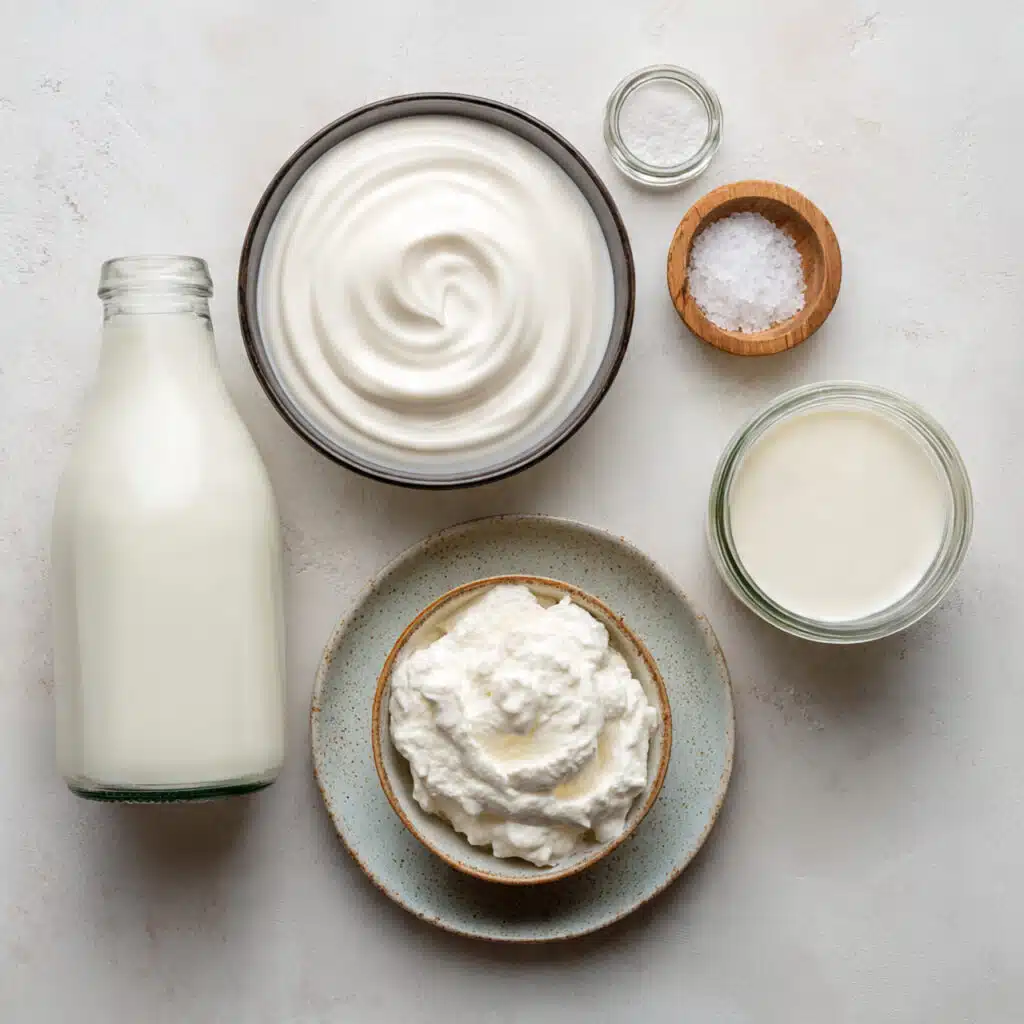
Ingredients You Will Need for a Fresh Cultured Bowl
Now that the tools are ready, let’s bring the ingredients together. This is a short list, but each part matters, and together they create that creamy, tangy, homemade flavor.
- Whole milk: 8 cups, gives the curds body, richness, and a soft creamy texture.
- Plain yogurt with live active cultures: 1/4 cup, starts the culturing process and brings the probiotic character.
- White vinegar: 3 tablespoons, helps the milk separate into curds and whey.
- Fine sea salt: 1/2 teaspoon, brightens the flavor without making it taste salty.
- Heavy cream: 1/4 cup, stirred in at the end for a softer, creamier finish.
Easy Swaps for What You Have on Hand
Once you understand the base, you can make small changes without losing the heart of the recipe. Keep the method gentle and the flavors balanced.
Whole milk: Use 2 percent milk for a lighter version, though the curds may be a little less rich.
Plain yogurt with live active cultures: Use plain kefir with live cultures for a more pronounced tang.
White vinegar: Use fresh lemon juice for a softer citrus note.
Fine sea salt: Use kosher salt, but add it slowly and taste as you go.
Heavy cream: Use half-and-half for a lighter creamy finish.
The Two Ingredients That Make the Magic Happen
And now, let’s pause on the two ingredients that really shape the personality of this cheese. They are simple, but they do the heavy lifting.
Whole milk: This is the foundation. Its natural fat creates tender curds and gives the finished cheese that soft, milky richness.
Plain yogurt with live active cultures: This brings the fresh tang and probiotic quality. It turns a basic cheese into something with a little more depth and brightness.
Let’s Make It Slowly, Gently, and Really Well
This is the part where the kitchen starts to feel cozy. The milk warms, the culture blends in, and the curds begin to appear like soft little clouds. Here are the steps you’re going to follow.
- Preheat Your Equipment: Warm a clean medium saucepan over low heat for a minute, then pour in the whole milk. Heat the milk gently to 110°F, stirring now and then so it warms evenly.
- Combine Ingredients: Remove the pan from the heat and stir in the plain yogurt with live active cultures. Cover the pan and let it sit in a warm spot for 8 hours so the culture can develop a mild tang.
- Prepare Your Cooking Vessel: After culturing, place the pan back over low heat and warm the milk mixture to 120°F. Stir gently, then add the white vinegar.
- Assemble the Dish: Let the mixture sit undisturbed for 10 minutes, or until soft curds separate from the whey. Line a fine mesh strainer with cheesecloth and set it over a large bowl.
- Cook to Perfection: Carefully spoon or pour the curds into the lined strainer. Let them drain for 30 minutes for soft cottage cheese, or up to 45 minutes for thicker curds.
- Finishing Touches: Transfer the drained curds to a clean bowl. Stir in the fine sea salt and heavy cream until the texture looks creamy and spoonable.
- Serve and Enjoy: Chill for at least 30 minutes before serving. Enjoy it plain, with fruit, over toast, or with herbs and black pepper.
How the Texture and Flavor Come Together
The best part of this recipe is the contrast between soft curds and creamy dressing. The curds should feel tender, not squeaky, with a light bounce when you spoon through them. The heavy cream softens everything and turns the bowl silky without hiding the fresh texture.
The flavor starts mild and milky, then the yogurt culture brings a gentle tang that lingers. The vinegar helps shape the curds, while the salt wakes everything up. It tastes clean, fresh, and calm, the kind of food that feels good in the fridge and even better on a spoon.
Helpful Tips for a Smooth First Batch
Once you have made it once, it gets easier every time. These small tricks help keep the process relaxed.
- Keep everything clean: Fresh cheese tastes best when bowls, spoons, and cloth are very clean.
- Watch the temperature: Too much heat can make the curds firm instead of tender.
- Drain slowly: Let gravity do the work so the curds stay soft.
- Taste before chilling: A tiny pinch more salt can make the flavor pop.
Mistakes to Skip for Better Homemade Cheese
Every homemade cheese has a learning curve, but this one is forgiving. Here are the common bumps and how to avoid them.
- Heating the milk too fast: Use low heat and stir gently so the milk does not scorch.
- Using yogurt without live cultures: Check the label, because the culture is what gives the probiotic character.
- Over-draining the curds: Stop draining while the curds still look slightly moist if you want creamy cottage cheese.
- Stirring too roughly: Fold gently at the end so the curds stay visible and soft.
A Quick Look at the Nutrition
Servings: 6
Calories per serving: 165
Note: These are approximate values.
Time You Will Need
Prep Time: 10 minutes
Cook Time: 8 hours 40 minutes
Total Time: 8 hours 50 minutes
Make-Ahead and Storage Tips
This recipe is perfect for making ahead because the flavor settles nicely after chilling. The curds become creamier, the tang smooths out, and the whole bowl feels more finished.
Store the cottage cheese in an airtight container in the refrigerator for up to 4 days. Freezing is not ideal because the curds can become watery and grainy after thawing. Reheating is not needed, since this is best served chilled. If it thickens in the fridge, stir in a small splash of cream or milk before serving.
How to Serve It
This fresh cheese is one of those quiet kitchen staples that can fit almost anywhere. Spoon it into a breakfast bowl with berries, peaches, or sliced banana. Add honey and cinnamon if you want something soft and sweet.
For a savory plate, serve it with toasted bread, cracked black pepper, chopped chives, cucumber, or tomato. It also works beautifully beside roasted vegetables, baked potatoes, or simple grain bowls.
Fresh Ideas for Using the Leftovers
Leftover cottage cheese can turn into something new with almost no effort. Stir it into pancake batter for extra tenderness, or blend it into a creamy dip with herbs and lemon.
You can also spoon it into wraps, layer it into toast, mix it into scrambled eggs after cooking, or add it to a lunch bowl for extra protein. It is mild enough to disappear into recipes, but creamy enough to make them better.
Extra Little Tips for Freshness and Ease
For the cleanest flavor, use fresh milk that has not been sitting open for too long. The better the milk tastes, the better the final curds will taste.
If you like a looser texture, add another tablespoon or two of cream after chilling. If you want stronger tang, let the cultured milk sit a little longer before adding vinegar. Keep notes the first time, and your next batch will be even more your style.
Make It Look Like a Little Kitchen Showstopper
A simple bowl can still feel beautiful. Spoon the cottage cheese into a white or pale ceramic bowl so the creamy curds stand out. Add a tiny sprinkle of black pepper, chopped chives, or a drizzle of honey depending on whether you are serving it savory or sweet.
For a brunch board, place it near toast, fruit, sliced cucumbers, and jam. Keep the presentation clean and fresh, and it will look like something from a cozy café.
Variations to Try
- Herbed Cottage Cheese: Stir in chopped chives, parsley, dill, and a pinch of black pepper for a savory spread.
- Honey Vanilla Bowl: Add 1 teaspoon honey and 1/4 teaspoon vanilla to each serving for a soft breakfast treat.
- Lemon Pepper Style: Add lemon zest and cracked black pepper for a bright, simple topping.
- Creamy Fruit Cup: Serve with berries, peaches, or pineapple for a fresh snack.
- Protein Toast Topper: Spoon over whole grain toast with cucumber and herbs for a quick lunch.
FAQ’s
Q1: Can I make this with low-fat milk?
A1: Yes, you can use 2 percent milk, but the curds will taste lighter and may not be as creamy. Whole milk gives the best texture.
Q2: Does the yogurt need to have live cultures?
A2: Yes, it should say live and active cultures on the label. That is what gives the recipe its probiotic-style character.
Q3: Can I use lemon juice instead of vinegar?
A3: Yes, fresh lemon juice works well. It gives the curds a softer, brighter flavor.
Q4: Why are my curds too small?
A4: The milk may have been stirred too much after the vinegar was added. Let it sit quietly so larger curds can form.
Q5: Why is my cottage cheese dry?
A5: It probably drained too long. Stir in a little heavy cream or milk until it becomes creamy again.
Q6: Can I make it more tangy?
A6: Yes, let the milk and yogurt mixture culture a little longer before adding vinegar. A warmer room also helps the tang develop.
Q7: Is this served hot or cold?
A7: It is best served chilled. The texture firms slightly and the flavor becomes smoother after resting in the fridge.
Q8: Can I double the recipe?
A8: Yes, double all ingredients exactly and use a larger pot and strainer. The timing stays about the same.
Q9: Can I use Greek yogurt as the starter?
A9: Yes, as long as it has live and active cultures. Thin it with a spoonful of milk before stirring it in so it blends smoothly.
Q10: How long does it last?
A10: It keeps well in an airtight container in the fridge for up to 4 days. Stir before serving if a little whey separates.
Conclusion
Cultured Probiotic Cottage Cheese is one of those recipes that reminds you how satisfying simple food can be. With just milk, yogurt, vinegar, salt, and cream, you get a fresh, creamy bowl that feels nourishing and homemade in the best way.
Make it once, and you may start keeping it in your fridge all the time. It is gentle, flexible, and quietly delicious. This one’s a total game-changer, especially when you taste that first cool, creamy spoonful.
Print
Cultured Probiotic Cottage Cheese
- Prep Time: 10 minutes
- Cook Time: 8 hours 40 minutes
- Total Time: 8 hours 50 minutes
- Yield: 6 servings 1x
- Category: Dairy
- Method: Cultured
- Cuisine: American
- Diet: Vegetarian
Description
A creamy homemade cottage cheese made with whole milk, live cultured yogurt, vinegar, salt, and a splash of cream for a fresh, tangy, probiotic-style finish.
Ingredients
- 8 cups whole milk
- 1/4 cup plain yogurt with live active cultures
- 3 tablespoons white vinegar
- 1/2 teaspoon fine sea salt
- 1/4 cup heavy cream
Instructions
- Warm a clean medium saucepan over low heat for 1 minute, then pour in the whole milk.
- Heat the milk gently to 110°F, stirring occasionally.
- Remove the pan from the heat and stir in the plain yogurt with live active cultures.
- Cover and let the mixture sit in a warm spot for 8 hours.
- Place the pan back over low heat and warm the cultured milk mixture to 120°F.
- Stir gently, then add the white vinegar.
- Let the mixture sit undisturbed for 10 minutes, or until soft curds separate from the whey.
- Line a fine mesh strainer with cheesecloth and place it over a large bowl.
- Carefully spoon or pour the curds into the lined strainer.
- Drain for 30 minutes for soft cottage cheese, or up to 45 minutes for thicker curds.
- Transfer the drained curds to a clean bowl.
- Stir in the fine sea salt and heavy cream until creamy and spoonable.
- Chill for at least 30 minutes before serving.
Notes
- Use whole milk for the creamiest texture.
- Choose yogurt labeled with live and active cultures.
- Drain less for softer curds and longer for thicker curds.
- Stir gently after draining to keep the curds tender.
Nutrition
- Serving Size: about 1/2 cup
- Calories: 165
- Sugar: 10g
- Sodium: 230mg
- Fat: 9g
- Saturated Fat: 6g
- Unsaturated Fat: 3g
- Trans Fat: 0g
- Carbohydrates: 11g
- Fiber: 0g
- Protein: 10g
- Cholesterol: 32mg
Keywords: cultured cottage cheese, probiotic cottage cheese, homemade cottage cheese, fresh cheese, live culture dairy