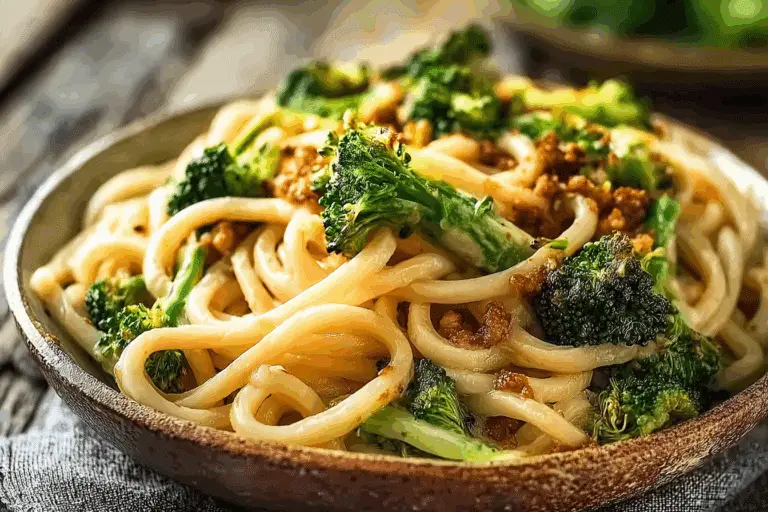
Bulgogi Mandu Broth Rice Bowl
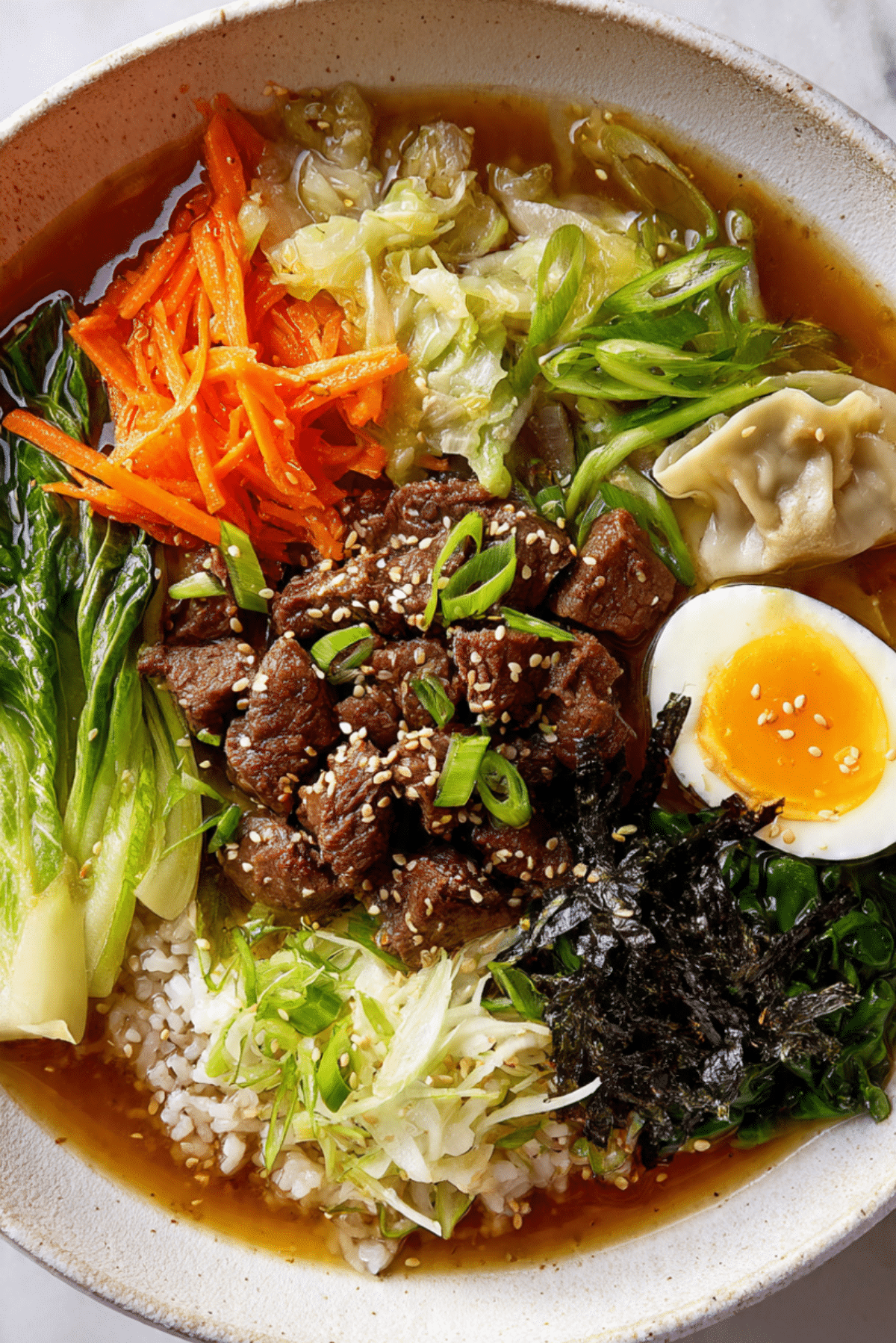
There is something so comforting about a bowl like this. You get fluffy rice soaking up a rich savory broth, tender mandu tucked into every corner, and fresh toppings that keep each bite bright and lively. Trust me, you’re going to love this, because it feels like the kind of meal that settles you in from the very first spoonful.
Why This Cozy Bowl Feels So Good to Make and Eat
Some recipes win you over because they are flashy, and some win you over because they know exactly how to make you feel at home. This one lands right in that sweet spot. The broth is warm and deeply savory, the dumplings bring that satisfying meaty bite, and the fresh cabbage and carrot keep everything from feeling too heavy. Let me tell you, it’s worth every bite.
It is the kind of dinner that tastes like you put in a whole lot more effort than you actually did. That alone makes it a total game changer on a busy weeknight.
A Little Korean Inspiration Behind the Bowl
Before we dive deeper, it helps to know why these flavors work so beautifully together. Bulgogi is one of the most beloved Korean flavor profiles, known for its sweet savory balance, while mandu are Korean dumplings that show up in so many comforting meals. Dumpling soup, often called manduguk, is especially cherished as a warm and satisfying dish, and beef based broths are a classic pairing.
This bowl takes inspiration from those comforting elements and brings them together in a way that feels easy and very doable at home. It is not trying to be overly traditional. Instead, it borrows the soul of those flavors and turns them into a deeply cozy rice bowl dinner.
Reasons This Recipe Earns a Spot in Your Rotation
If you are already imagining this on your table, let me give you a few more reasons it deserves a place in your regular lineup.
Versatile: You can dress it up for a cozy dinner or keep it simple for an easy lunch. It works just as well on a quiet night as it does when you want to impress someone without stressing.
Budget-Friendly: A handful of smart ingredients goes a long way here. Broth, rice, vegetables, and frozen mandu turn into something that tastes generous and full.
Quick and Easy: The steps are simple and the cooking moves fast. Once the broth starts warming and the dumplings hit the pot, dinner is well on its way.
Customizable: You can add more heat, switch up the toppings, or use extra vegetables you already have in the fridge. It is very forgiving, which makes it even more lovable.
Crowd-Pleasing: Bowls like this usually disappear quickly. There is something about dumplings, broth, and rice that makes everyone lean in for another bite.
Make-Ahead Friendly: Several parts can be prepped ahead, which means the final assembly feels smooth and easy. That is always a win.
Great for Leftovers: The broth and toppings hold up well, and the flavors settle in beautifully. The next day lunch might honestly be even better.
Smart Kitchen Notes Before You Start
Now that the craving is fully set in, here are a few little tricks that make the whole thing even better.
- Use a good quality frozen mandu, because they are the heart of the bowl and bring most of the savory filling.
- Keep the broth at a gentle simmer so the dumplings stay intact and tender.
- Add the cabbage near the end so it keeps a little bite and fresh sweetness.
- Slice your green onions just before serving for the brightest flavor.
- Serve the broth hot over warm rice so everything stays comforting from first bite to last.
Kitchen Tools That Make This Easy
You do not need anything fancy here, which is part of the charm. A few dependable tools are all it takes.
Medium pot: This is where the broth comes together and the dumplings cook gently.
Small saucepan: Perfect for soft boiling the eggs without juggling too many tasks.
Fine grater or microplane: Helpful for grating the ginger and getting a smoother flavor into the broth.
Sharp knife: You will want this for slicing green onions, seaweed, and the quick vegetable toppings.
Ladle: It makes assembling each bowl much easier and keeps the broth distribution nice and even.
Serving bowls: Deep bowls work best so you can hold the rice, broth, dumplings, and toppings comfortably.
Ingredients That Build All the Flavor
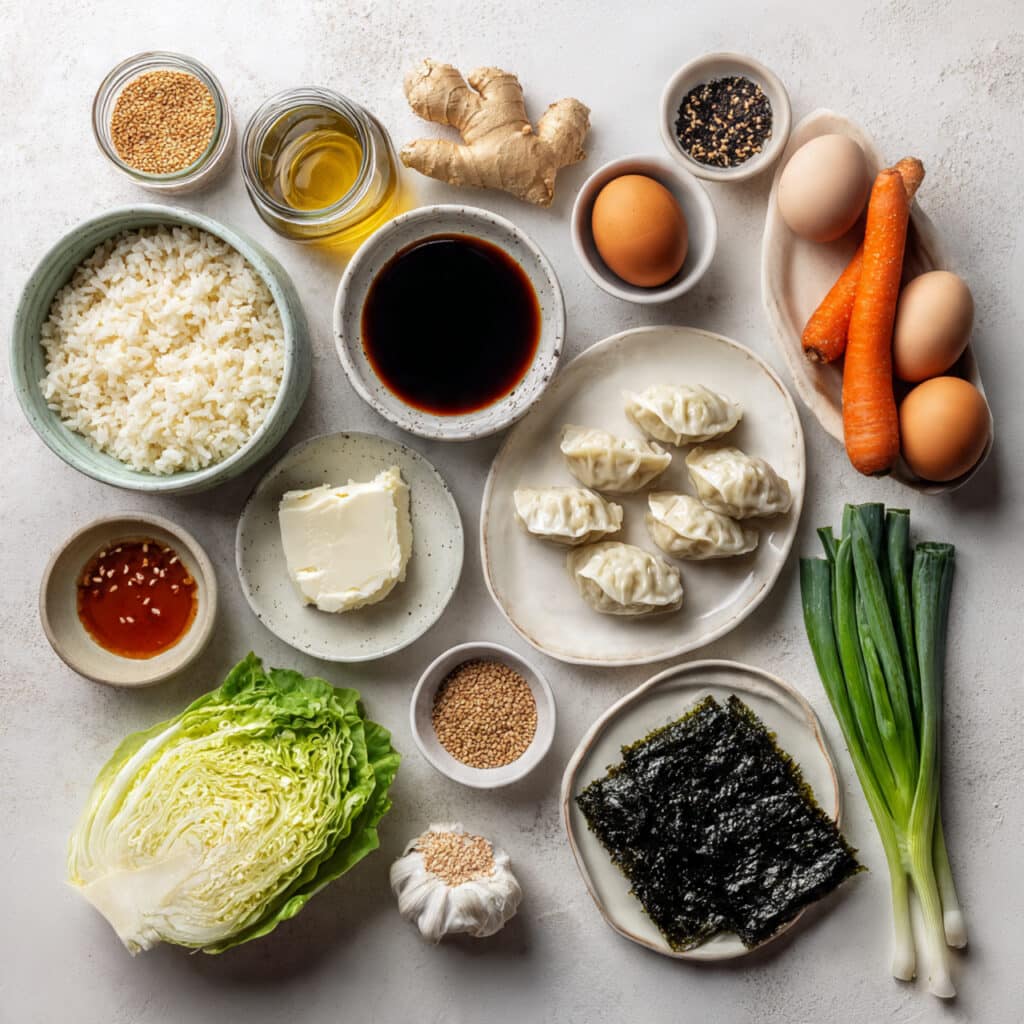
And now let’s get into the good part, because each ingredient here pulls its weight and brings the bowl to life in its own way.
- Cooked short grain rice: 4 cups, warm. This gives the bowl its soft, comforting base and soaks up the savory broth beautifully.
- Frozen beef bulgogi mandu: 12 dumplings. These bring the rich, seasoned filling that makes the bowl feel hearty and satisfying.
- Low sodium beef broth: 4 cups. This creates the warming base and carries all the flavor through the bowl.
- Soy sauce: 1 tablespoon. It deepens the broth and adds a familiar salty umami note.
- Sesame oil: 1 teaspoon. This adds a nutty finish that makes the broth smell incredible.
- Garlic: 2 cloves, minced. Garlic gives the broth warmth and savory depth.
- Fresh ginger: 1 teaspoon, grated. This adds brightness and a gentle zing that keeps the broth lively.
- Napa cabbage: 1 cup, thinly shredded. It softens slightly in the hot broth and adds freshness.
- Carrot: 1 small, julienned. This brings a little sweetness and a crisp texture.
- Rice vinegar: 1 tablespoon. A quick splash wakes up the cabbage and carrot and keeps the bowl balanced.
- Green onions: 2, thinly sliced. They add sharp freshness right at the end.
- Soft boiled eggs: 2, halved. These make the bowl feel extra cozy and add richness.
- Roasted seaweed: 1 sheet, cut into thin strips. It gives that savory ocean-like note that works so well with hot broth.
- Toasted sesame seeds: 1 teaspoon. These add a final nutty crunch and a little visual sparkle.
- Black pepper: 1/4 teaspoon. Just enough to round out the broth without taking over.
Easy Swaps If You Need Them
One of the best things about a bowl like this is how easy it is to adjust without losing its cozy character.
Beef broth: Vegetable broth or chicken broth.
Beef bulgogi mandu: Chicken mandu or vegetable mandu.
Short grain rice: Jasmine rice or brown rice.
Napa cabbage: Thinly sliced regular cabbage or baby spinach.
Rice vinegar: Apple cider vinegar or a small squeeze of lime.
Soft boiled eggs: Jammy eggs or no eggs at all.
The Standout Ingredients Worth Noticing
Before we start cooking, a couple of ingredients really deserve a little spotlight.
Beef bulgogi mandu: These dumplings do so much work in the best way. They bring sweet savory depth, tender texture, and that incredibly satisfying moment when you cut into one and the filling steams out.
Sesame oil: It may be a small amount, but it changes everything. That toasted, nutty aroma is what gives the broth its finish and makes the bowl smell like something special the second it hits the table.
Let’s Build the Bowl Step by Step
This is the part where everything starts coming together, and honestly, it is so satisfying to watch. Here are the steps you are going to follow.
- Preheat Your Equipment: Bring a small saucepan of water to a boil for the eggs. Set a medium pot over medium heat for the broth so you are ready to move smoothly from one part to the next.
- Combine Ingredients: In the medium pot, add the beef broth, soy sauce, minced garlic, grated ginger, sesame oil, and black pepper. Stir and bring the mixture to a gentle simmer so the flavors can mingle.
- Prepare Your Cooking Vessel: Lower the eggs into the boiling water and cook for 7 minutes. Transfer them to cold water, peel them, and set them aside. In a small bowl, toss the shredded napa cabbage and julienned carrot with the rice vinegar, then let them sit while the broth cooks.
- Assemble the Dish: Slide the frozen beef bulgogi mandu into the simmering broth and cook for 6 to 8 minutes, or until heated through and tender. Add half of the green onions during the last minute so they soften slightly.
- Cook to Perfection: Divide the warm cooked rice between 4 serving bowls. Taste the broth and adjust with a little more pepper if needed. Once the dumplings are cooked and the broth smells deeply savory, ladle the hot broth and dumplings over the rice.
- Finishing Touches: Top each bowl with the quick cabbage and carrot mixture, the halved soft boiled eggs, roasted seaweed strips, the remaining green onions, and toasted sesame seeds. The contrast of hot broth and fresh toppings is what makes the bowl shine.
- Serve and Enjoy: Serve right away while the broth is steaming and the rice is still warm. This one is a total game changer on a chilly evening, and every spoonful feels comforting and full of flavor.
How the Texture and Flavor Come Together
What makes this bowl so satisfying is the contrast. The rice is soft and comforting, the broth is silky and savory, and the mandu bring a tender chew with a juicy center. Then the cabbage and carrot come in with a fresh little crunch that keeps the bowl from feeling too rich.
Flavor wise, it builds in layers. First you get the deep savory broth, then the sweet salty richness from the dumplings, and finally that nutty sesame finish with a lift from green onion and vinegar. It is balanced, cozy, and just interesting enough to keep every bite exciting.
Helpful Tricks for an Even Better Bowl
Once you make it once, you will probably start finding your own little rhythm with it. These tips help a lot.
- Keep the broth at a simmer, not a hard boil, so the mandu stay intact.
- Warm your serving bowls with a little hot water first if you want the dish to stay hotter longer.
- Cut the seaweed just before serving so it keeps its crisp texture.
- Add a tiny extra drizzle of sesame oil at the end if you want a stronger toasted finish.
What Can Trip You Up and How to Avoid It
A few small mistakes can make a cozy bowl feel just a little off, so here is what to watch for.
- Do not overcook the dumplings, or they can split and lose their filling into the broth.
- Do not skip the acid from the rice vinegar, because the bowl needs that brightness to balance the richness.
- Do not pour boiling broth over cold rice, because the whole bowl cools down too fast.
- Do not add the cabbage too early if you want any crunch left in the final dish.
A Quick Look at the Nutrition
The good news is that this meal feels comforting without tipping into overly heavy territory.
Servings: 4
Calories per serving: 390
Note: These are approximate values.
Timing So You Can Plan Dinner Easily
This is one of those meals that fits nicely into real life, which is part of why it is so easy to come back to.
Prep Time: 15 minutes
Cook Time: 20 minutes
Total Time: 35 minutes
Make-Ahead and Storage Tips
If you like getting ahead, this recipe is happy to meet you there. The rice can be cooked in advance and rewarmed before serving. The cabbage and carrot can also be prepped earlier in the day, though they stay nicest if tossed with vinegar shortly before serving.
Store leftover broth, dumplings, rice, and toppings separately when possible for the best texture. The broth and dumplings will keep well in the fridge for up to 3 days. Rice can be refrigerated for up to 3 days as well. For freezing, freeze only the broth and cooked rice if needed, then cook fresh dumplings later for the best bite. Reheat the broth gently on the stove and warm the rice separately before building a fresh bowl.
How to Serve It for the Best Experience
This bowl is lovely all on its own, but it also plays very well with a few simple sides. A small dish of kimchi on the side adds extra brightness and heat. Light cucumber salad is another great match when you want something crisp and cooling.
For a more filling spread, serve it with extra mandu on the side or a simple platter of seasoned greens. And if you really want the full cozy moment, bring the whole pot of broth to the table and let everyone ladle their own bowls.
Smart Ways to Use the Leftovers
Leftovers here are far from boring. The broth can become the base for a quick noodle soup the next day, which feels like a completely new meal with barely any effort.
You can also chop leftover dumplings and fold them into fried rice with the extra vegetables. Another good move is to reheat the broth and pour it over freshly cooked rice for a fast lunch that still feels homemade and comforting.
Extra Notes That Make a Difference
A recipe like this is simple, but the little details really count. Use warm rice, not room temperature rice, so the bowl stays cozy and inviting. Taste the broth before serving, because a tiny pinch more pepper or a splash more soy sauce can bring everything into focus.
Fresh toppings matter here too. Even though the broth and dumplings are rich and savory, the green onions, seaweed, and vegetables keep the whole bowl feeling lively and balanced.
Simple Ways to Make It Look Special
This bowl can look stunning with almost no extra effort. Arrange the halved egg on one side, fan the dumplings around the rice, and place the cabbage and carrot in a neat little pile so each topping has its own moment.
Finish with a light shower of sesame seeds and a few ribbons of seaweed over the top. That contrast of pale rice, golden broth, green onion, orange carrot, and dark seaweed makes the whole bowl feel restaurant worthy in the nicest way.
Variations to Try When You Want Something Different
If you end up loving this one, and I really think you will, here are a few easy ways to change it up.
Spicy version: Stir 1 teaspoon of gochujang into the broth for warmth and a deeper red color.
Mushroom version: Add sliced shiitake mushrooms to the broth for more earthy umami.
Greens version: Swap the cabbage for baby spinach and let it wilt just before serving.
Noodle version: Replace half the rice with cooked udon or ramen noodles for an extra slurpable bowl.
Lighter version: Use vegetable mandu and vegetable broth for a softer, more delicate finish.
FAQ’s
Q1: Can I use a different kind of dumpling?
Yes, absolutely. Chicken or vegetable mandu work well here, and the bowl still turns out cozy and flavorful.
Q2: Do I have to use short grain rice?
No. Short grain rice gives the softest texture, but jasmine rice or brown rice can also work nicely.
Q3: Can I make the eggs ahead of time?
Yes. Cook and peel them up to 2 days ahead, then keep them chilled until you are ready to serve.
Q4: Is the broth supposed to be very salty?
It should taste savory but balanced. Since broth brands vary, always taste before serving and adjust carefully.
Q5: Can I add more vegetables?
Yes. Mushrooms, spinach, bok choy, or zucchini all fit well without overpowering the bowl.
Q6: What if my dumplings break while cooking?
The broth may have been boiling too hard. Next time, keep it at a gentle simmer and stir very lightly.
Q7: Can I make this without eggs?
Yes. The eggs add richness, but the bowl still works beautifully without them.
Q8: How do I keep the rice from turning mushy?
Use warm, freshly cooked rice or properly reheated rice, and avoid letting it sit too long in the broth before serving.
Q9: Can I use homemade broth?
Yes, and it will be delicious. A homemade beef broth makes the flavor even deeper and more comforting.
Q10: Is this good for meal prep?
Yes, especially if you store the parts separately. Assemble just before eating for the best texture.
Conclusion
This bowl has that rare kind of comfort that feels both easy and special at the same time. You get warm broth, tender dumplings, fluffy rice, and fresh toppings all in one deeply satisfying meal. It is cozy, full of flavor, and simple enough to make on a weeknight, which is exactly the kind of recipe worth keeping close. Trust me, once you try it, you will want to come back to it again and again.
Print
Bulgogi Mandu Broth Rice Bowl
- Prep Time: 15 minutes
- Cook Time: 20 minutes
- Total Time: 35 minutes
- Yield: 4 servings 1x
- Category: Main Course
- Method: Simmering
- Cuisine: Korean Inspired
- Diet: Low Fat
Description
A cozy Korean inspired rice bowl with beef bulgogi mandu, savory broth, warm short grain rice, and fresh toppings that make every bite comforting and balanced.
Ingredients
- 4 cups cooked short grain rice, warm
- 12 frozen beef bulgogi mandu
- 4 cups low sodium beef broth
- 1 tablespoon soy sauce
- 1 teaspoon sesame oil
- 2 cloves garlic, minced
- 1 teaspoon fresh ginger, grated
- 1 cup napa cabbage, thinly shredded
- 1 small carrot, julienned
- 1 tablespoon rice vinegar
- 2 green onions, thinly sliced
- 2 soft boiled eggs, halved
- 1 sheet roasted seaweed, cut into thin strips
- 1 teaspoon toasted sesame seeds
- 1/4 teaspoon black pepper
Instructions
- Bring a small saucepan of water to a boil for the eggs and set a medium pot over medium heat for the broth.
- Add the beef broth, soy sauce, sesame oil, minced garlic, grated ginger, and black pepper to the medium pot. Stir and bring to a gentle simmer.
- Lower the eggs into the boiling water and cook for 7 minutes. Transfer to cold water, peel, halve, and set aside.
- In a small bowl, toss the napa cabbage and julienned carrot with the rice vinegar and let sit while the broth cooks.
- Add the frozen beef bulgogi mandu to the simmering broth and cook for 6 to 8 minutes, or until heated through and tender.
- Add half of the sliced green onions to the broth during the last minute of cooking.
- Divide the warm cooked rice among 4 serving bowls.
- Ladle the hot broth and dumplings over the rice.
- Top each bowl with the cabbage and carrot mixture, halved soft boiled eggs, roasted seaweed strips, remaining green onions, and toasted sesame seeds.
- Serve immediately while hot.
Notes
- Keep the broth at a gentle simmer so the dumplings do not split.
- Warm the rice before assembling so the bowl stays hot longer.
- Add a little extra sesame oil at the end for a stronger nutty aroma.
- Store broth, rice, and toppings separately for the best leftover texture.
Nutrition
- Serving Size: 1 bowl
- Calories: 390
- Sugar: 4g
- Sodium: 780mg
- Fat: 11g
- Saturated Fat: 3g
- Unsaturated Fat: 7g
- Trans Fat: 0g
- Carbohydrates: 52g
- Fiber: 3g
- Protein: 18g
- Cholesterol: 105mg
Keywords: bulgogi mandu broth rice bowl, Korean inspired rice bowl, mandu bowl, dumpling broth bowl, beef broth rice bowl